
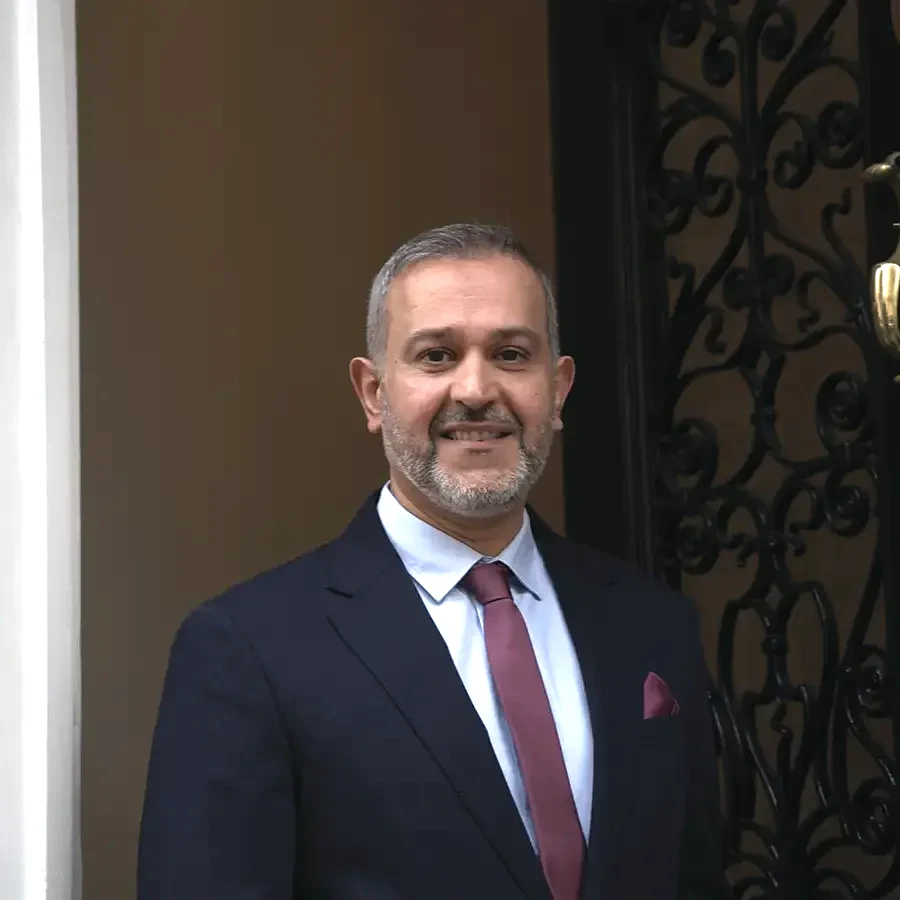
 Dr Omar Ali, consultant interventional cardiologist GMC 4728870
Medical review by Dr Omar Ali: 18 November 2026
What it is
Cholesterol is a fat carried in the blood. Too much LDL cholesterol, often called bad cholesterol, builds up as plaque in the artery walls over many years. It causes no symptoms, so the only way to know is a blood test.
Who should be checked
- A family history of heart disease at a young age
- A family history of very high cholesterol (familial hypercholesterolaemia)
- Diabetes, high blood pressure or kidney disease
- Anyone wanting to understand their heart risk
How Dr Ali assesses it
A full lipid profile, an overall heart risk assessment, and lipoprotein(a), an inherited risk marker that is worth measuring once. Where useful, a CT coronary angiogram can show whether plaque has already formed, which helps decide how strongly to treat.
Treatment
Diet and activity come first. Dr Ali's short reel shows an easy place to start: swapping butter for olive oil. Many people also benefit from cholesterol-lowering medicines, with the target set by their overall risk. Dr Ali explains why a medicine is recommended, how it works and what to expect.
Questions
I feel well. Why treat my cholesterol?
Plaque builds up silently over years. Lowering cholesterol reduces the risk of a heart attack or stroke later.
What is lipoprotein(a)?
An inherited type of cholesterol particle. A high level raises heart risk regardless of lifestyle, so knowing it helps tailor treatment.
Can diet alone lower my cholesterol?
A healthy diet and exercise help, and for some people they are enough. Many people, especially those at higher risk or with high cholesterol that runs in the family, also need a statin or another medicine to bring it down far enough.
Want to talk it through? Book a consultation with Dr Ali, or call 020 8087 4742.